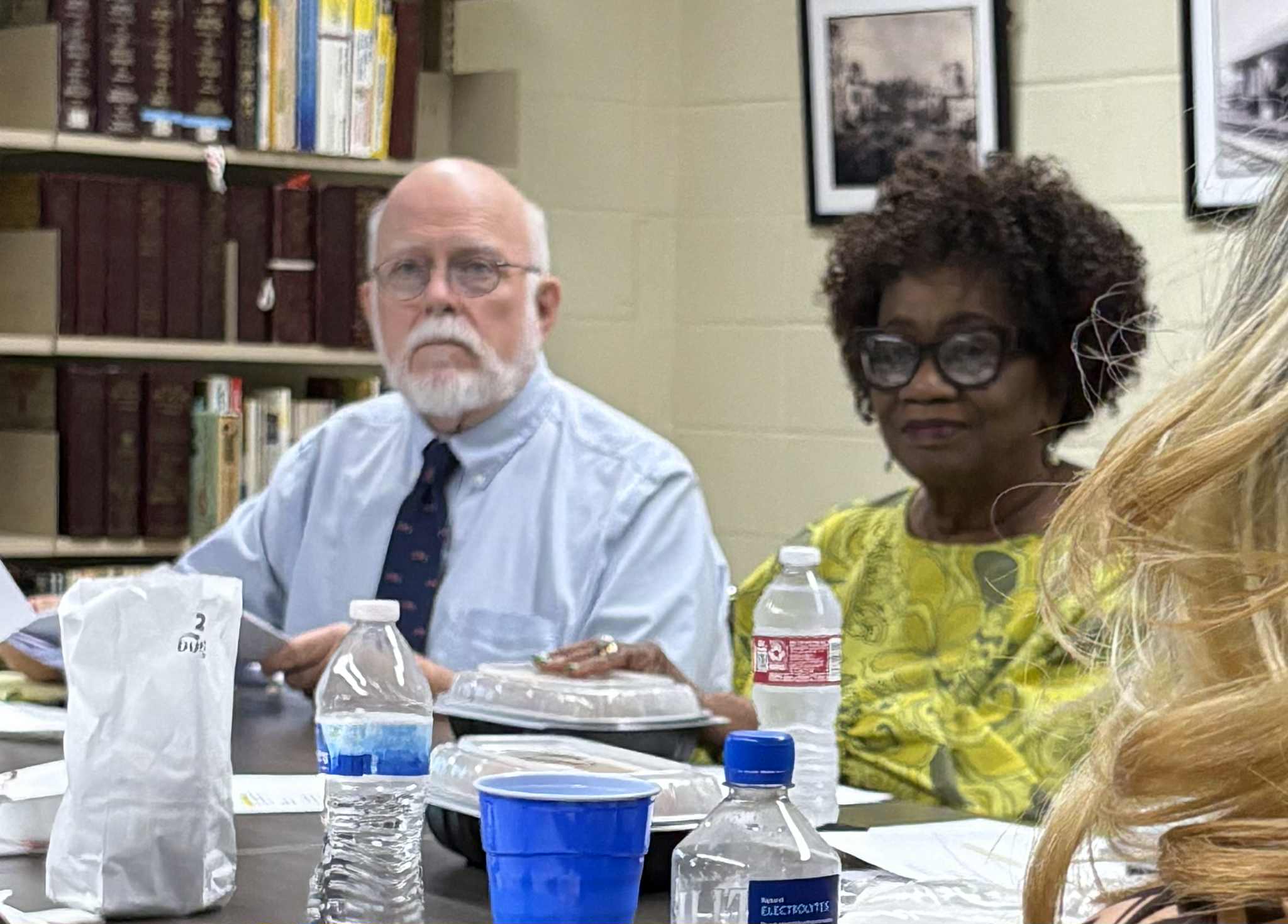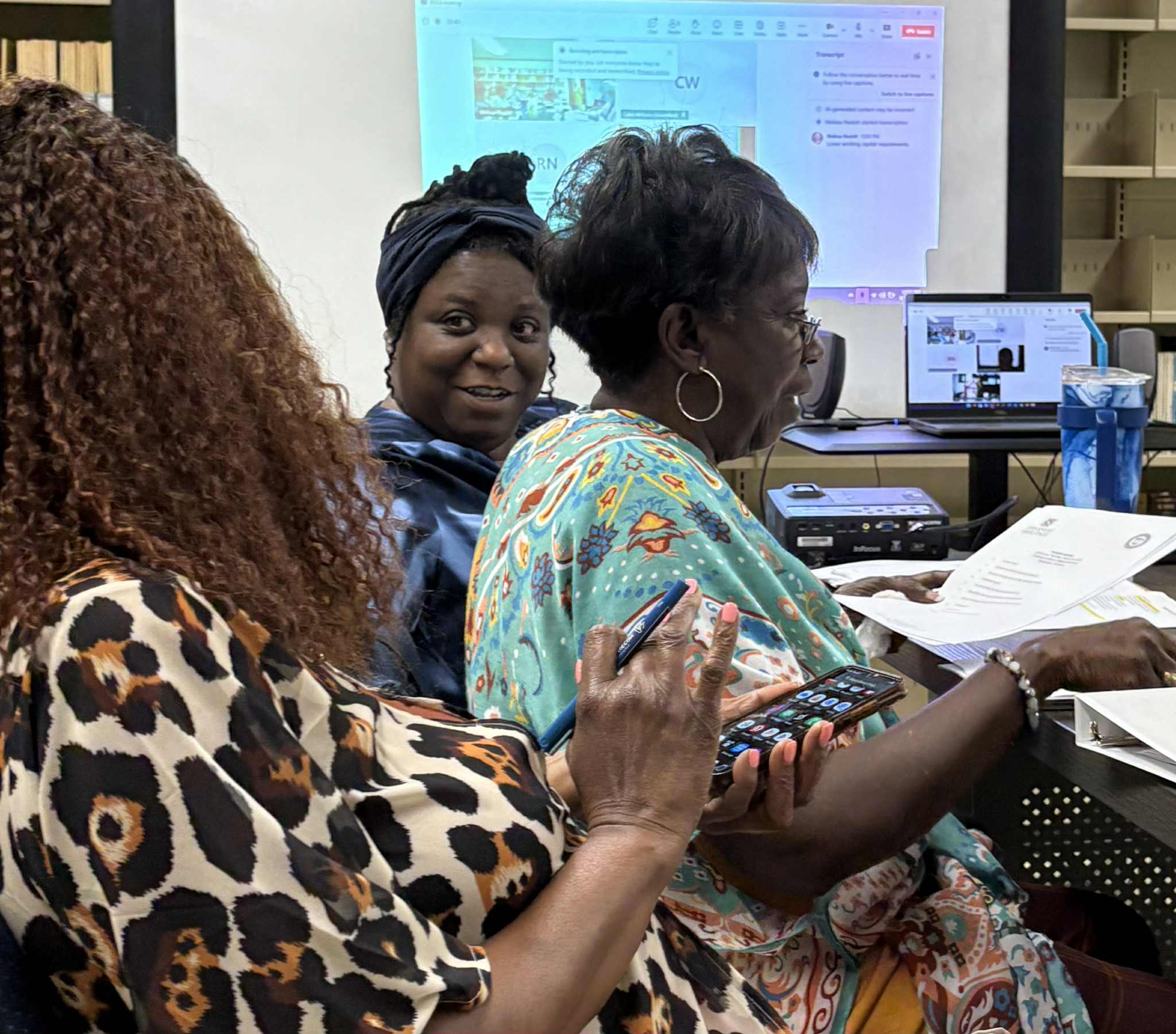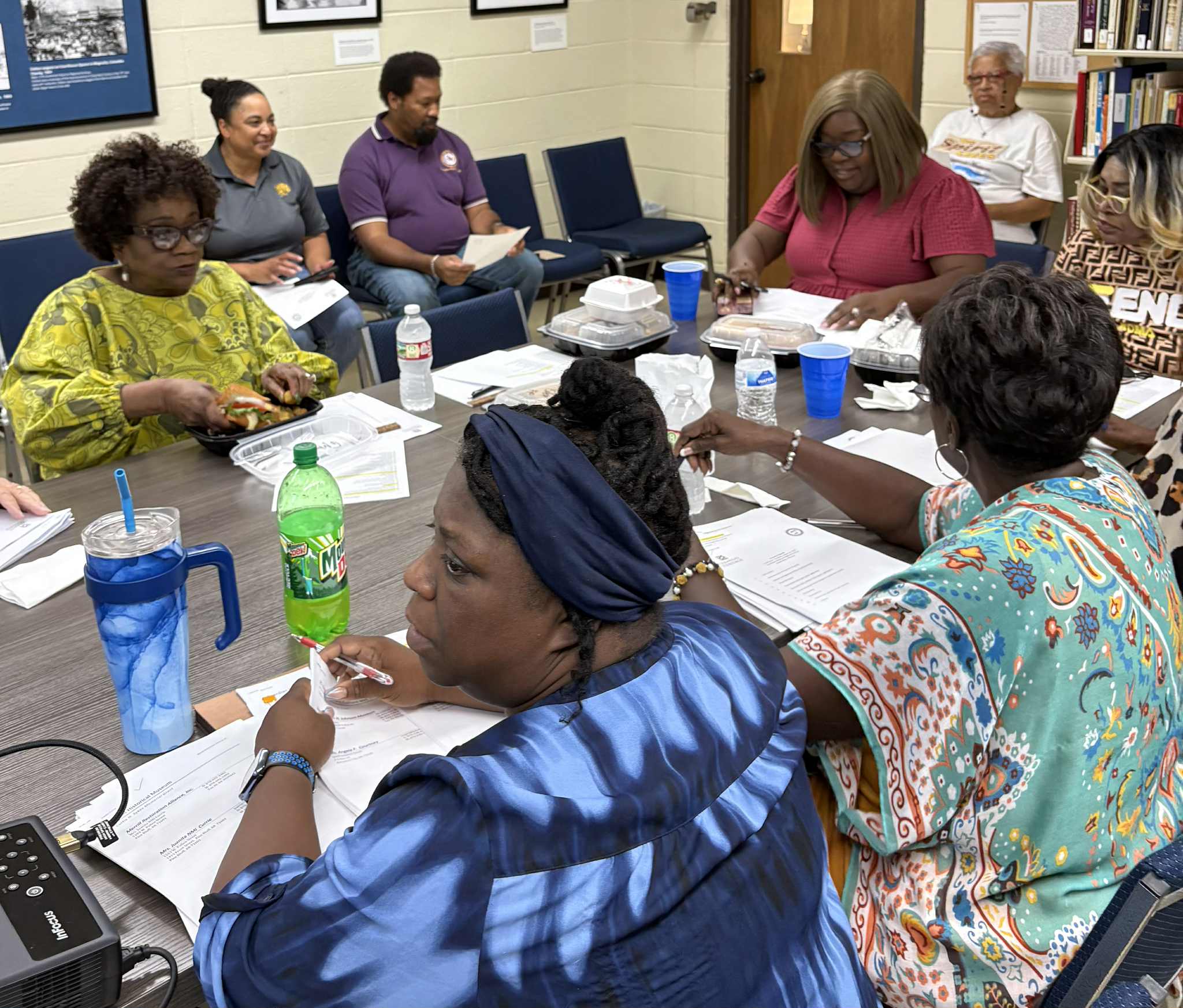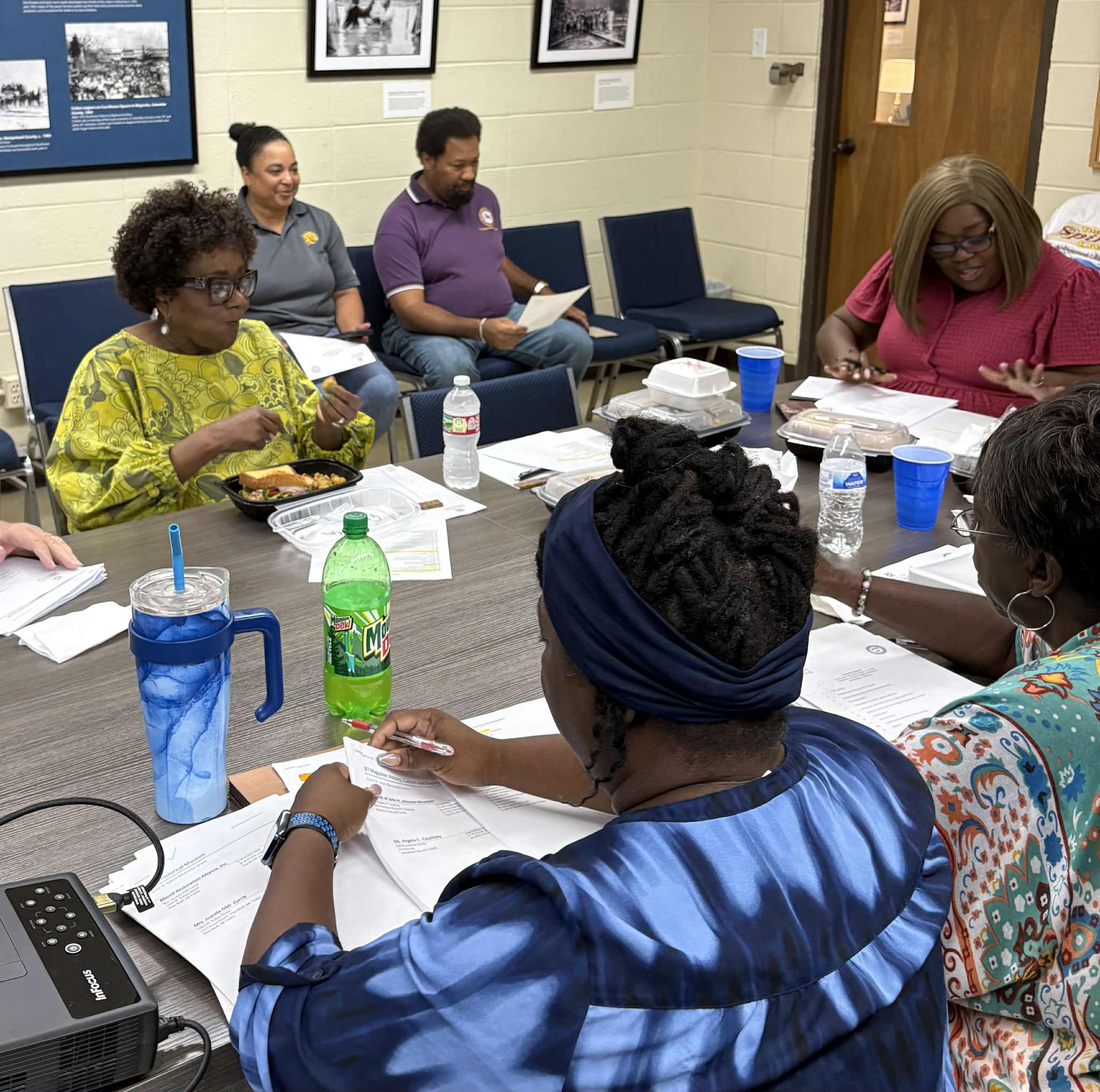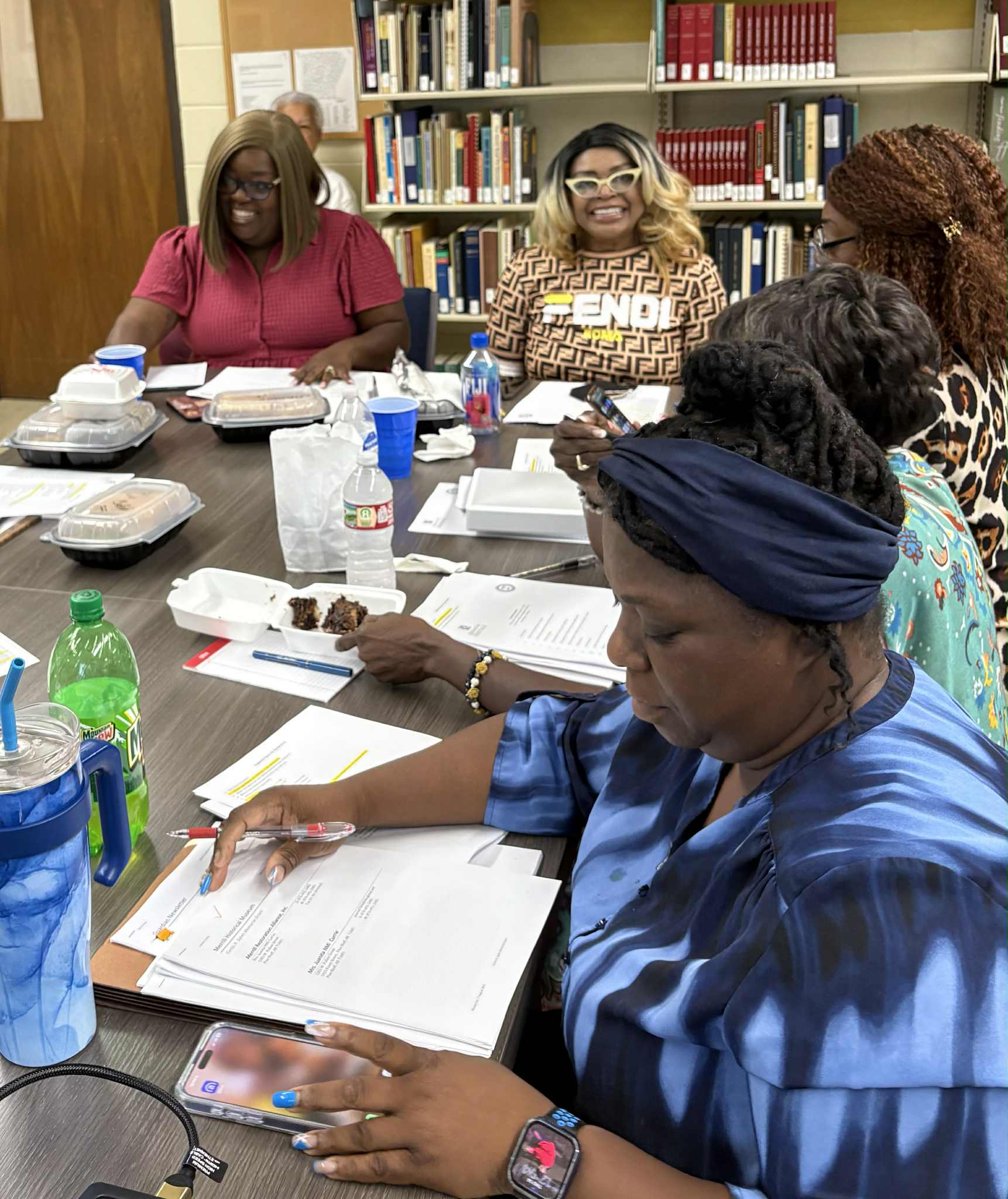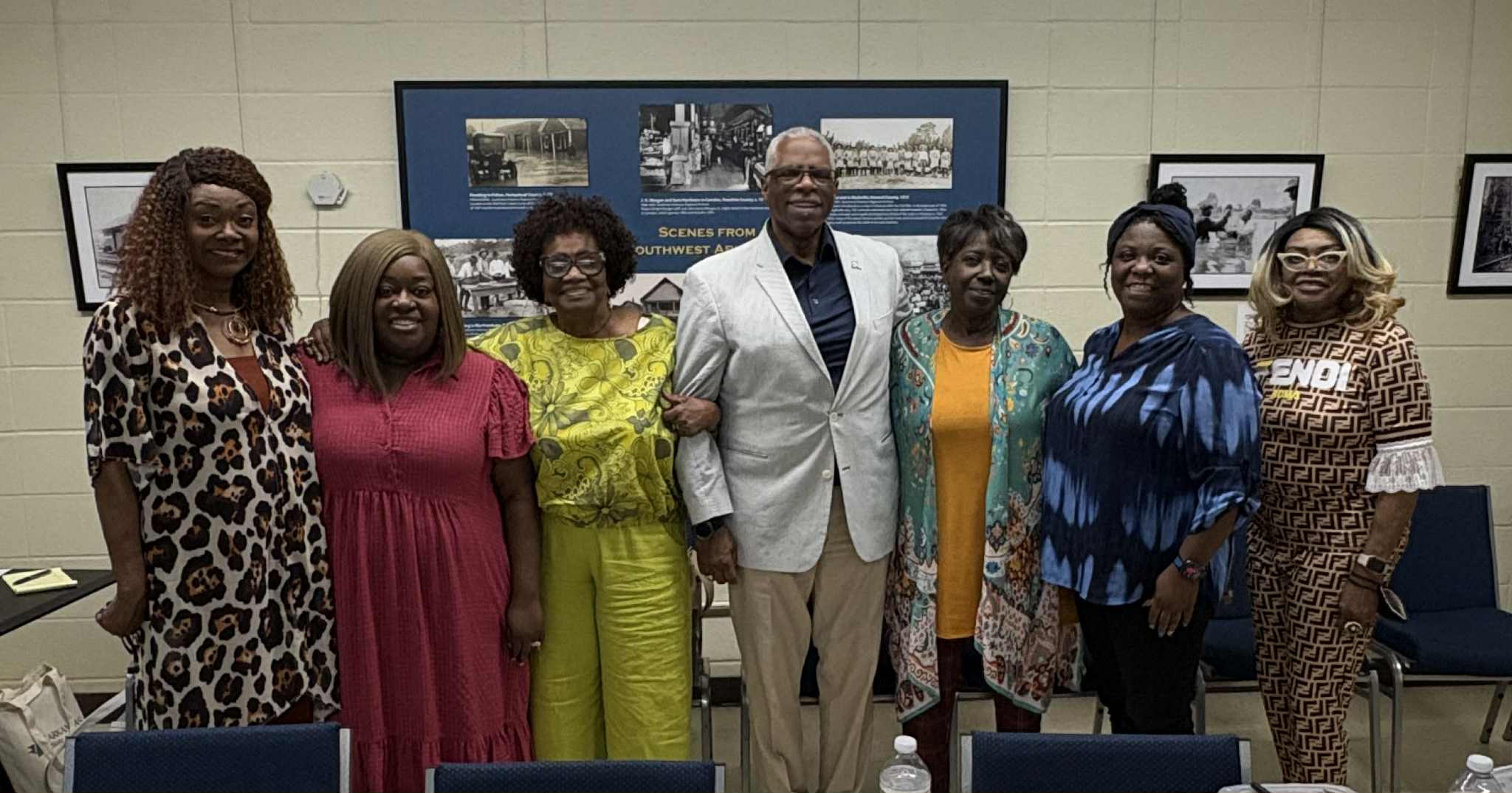

Washington, Arkansas — The Black History Commission of Arkansas (BHCA) held its quarterly meeting today at the Southwest Arkansas Regional Archives, with Chairperson Arnetta Bradford of Hope presiding over a session that highlighted the commission’s ongoing commitment to preserving and promoting African American history throughout the state. The BHCA, a seven-member board appointed by the Governor of Arkansas and confirmed by the State Senate, plays a vital role in collecting historical materials and supporting public programming through initiatives such as the Curtis H. Sykes Memorial Grant Program.
The meeting began with an invocation led by Chairperson Bradford, who respectfully asked attendees—both in person and online—if there were any objections before proceeding. The welcoming of guests was postponed until the grant applicants were invited to present their proposals. Minutes from the May meeting were reviewed and approved with minor grammatical corrections, and the financial report was discussed in detail.
A central focus of the meeting was the review and approval of several grant applications under the Curtis H. Sykes Memorial Grant Program. Juanita Curtis presented a request on behalf of the Merril Museum in Pine Bluff, sharing the museum’s history and its resilience following a fire that occurred shortly after its opening. She described a powerful moment when an anonymous sign encouraged the community to rebuild, and she announced an upcoming open house scheduled for October 18. The commission approved the grant.
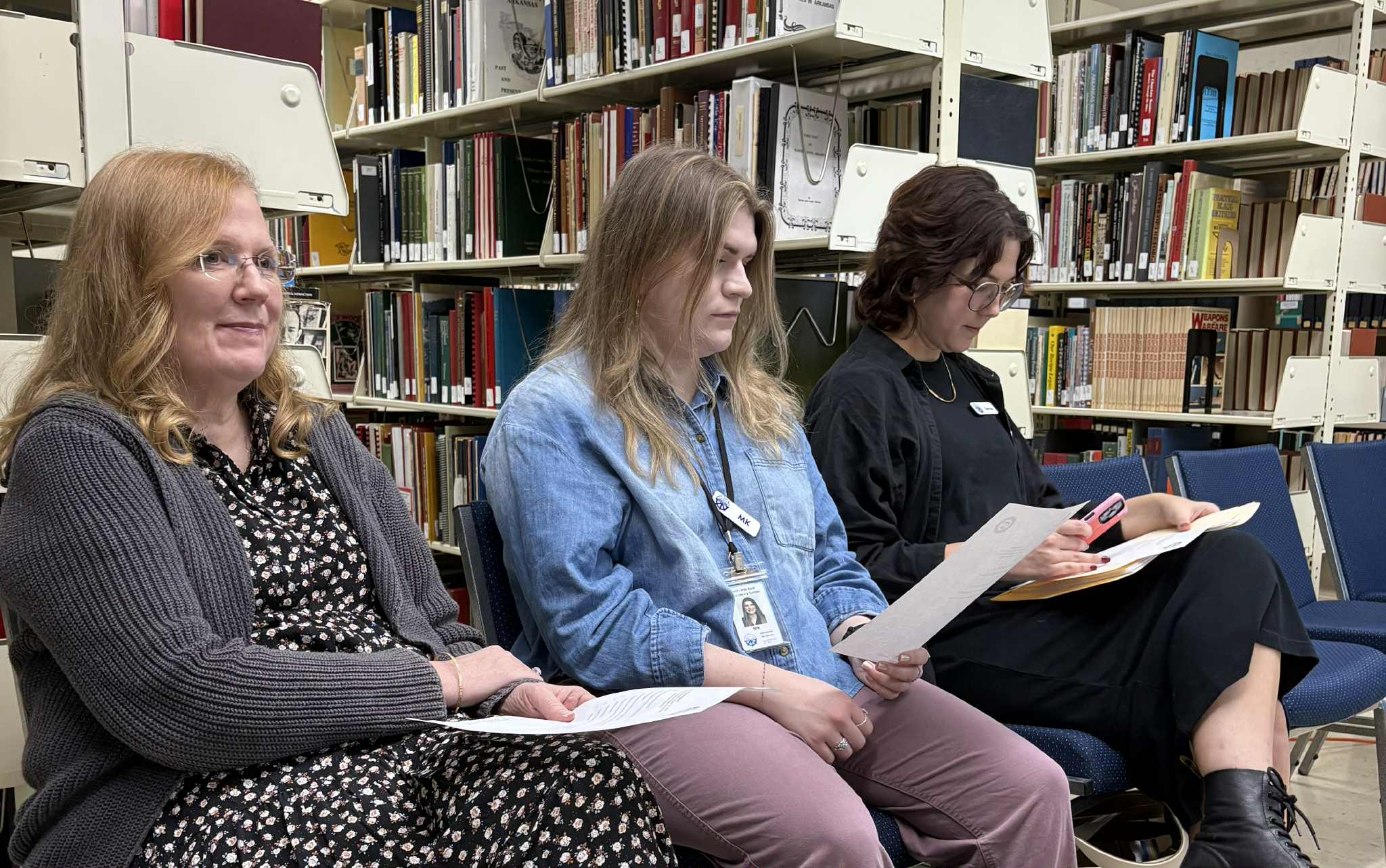
Representative Jamie Middleton of the North Little Rock Library, accompanied by M.K. Pockett and Robin Campbell, spoke about a project centered on the Odd Fellows Cemetery and its connection to African American genealogy and history. Middleton noted that Cemetery Appreciation Month is observed in May. After discussion, the commission approved the grant.
Brandon Hawkins and Candy Williams presented a proposal for the Silas Hunt Memorial in Texarkana, requesting an upright tombstone to replace the current flat marker and improve visibility for visitors to the Woodland Cemetery. They also suggested the addition of a memorial bench. Commissioners reflected on Hunt’s legacy, including the Hunt Memorial Hall at the University of Arkansas at Pine Bluff, and approved the grant.
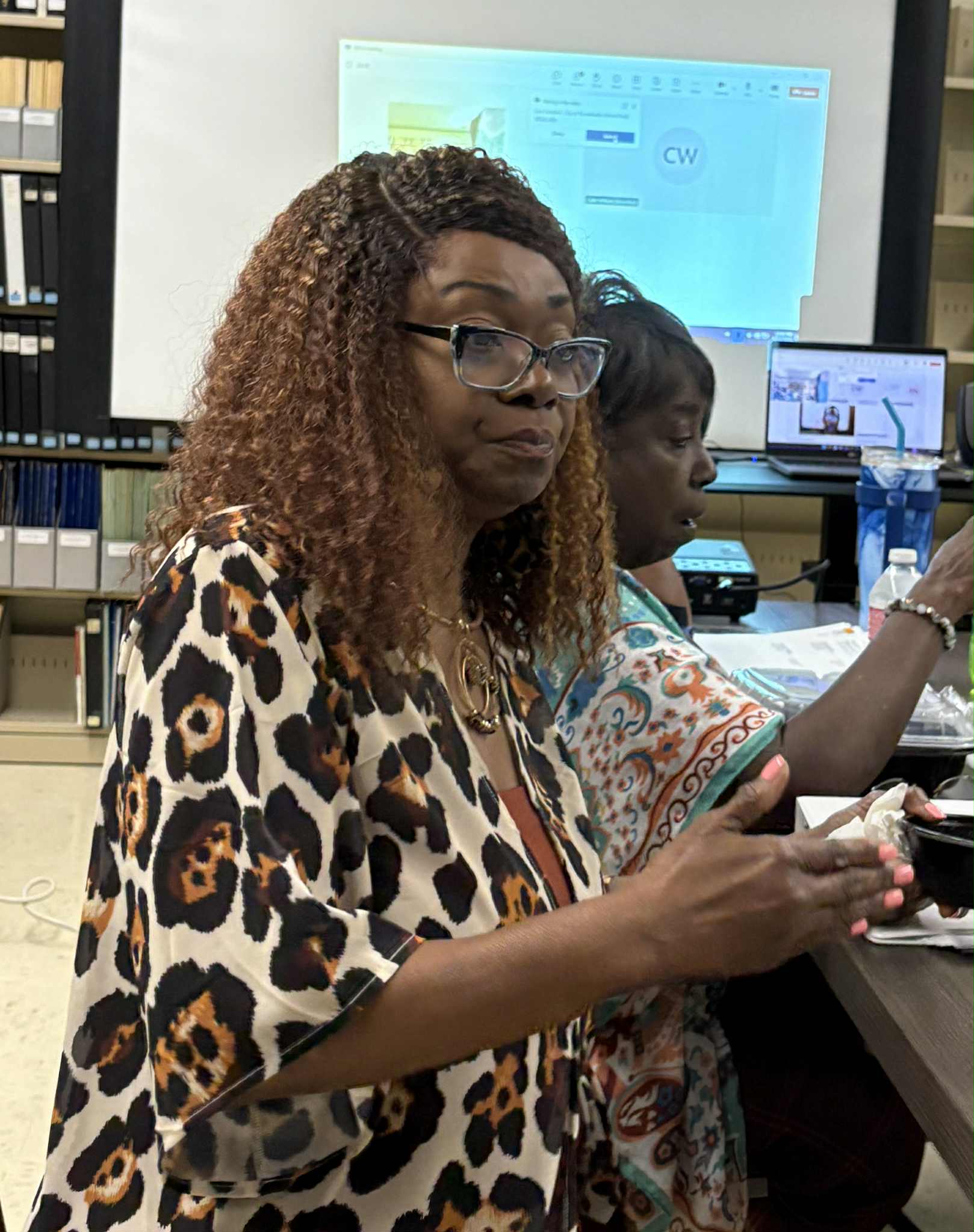
Joining online from Russellville, Sara Jondahl submitted a grant request for the Latimore Tourism Home, a site listed in the historic “Green Book.” In collaboration with Arkansas Tech University, the project aims to preserve and share written and oral histories of the surrounding African American communities. The commission approved the application.
Angela Courtney, representing the John H. Johnson Memorial Museum in Arkansas City, presented a proposal titled “So the World Could See,” focusing on the Emmett Till story and the legacy of Johnson’s publishing empire, including JET and Ebony magazines. She emphasized the cultural impact of these publications on African American communities and noted that November 1 is recognized as John H. Johnson Day. The grant was approved. .
A grant application submitted by Dr. Griffin was discussed but ultimately tabled due to concerns over the ideological framing of a chapter title. With legal counsel unavailable, the commission decided to revisit the request at the next meeting.
Looking ahead to 2026, the commission selected two focus topics: early Black education in Arkansas and a broader reflection on progress in education from Reconstruction to the present. Commissioners emphasized the importance of engaging directly with students and schools. “We have to get out and go to the schools and be present, involve kids, if we want to pass on our history and goals to them,” one member said, underscoring the commission’s dedication to youth outreach.
The meeting concluded with a renewed sense of purpose and unity among the commissioners, who include Linda Chesterfield of Little Rock, Dr. Lynda P. Johnson of Little Rock, Pat Finley Johnson of Pocahontas, Caleb Williams of Little Rock, Daion Daniels of Fayetteville, Joseph Wood of Fayetteville, and Chairperson Arnetta Bradford of Hope. Their collective efforts continue to shape the narrative of Black history in Arkansas, ensuring that stories of resilience, achievement, and cultural heritage are preserved.