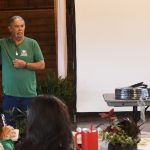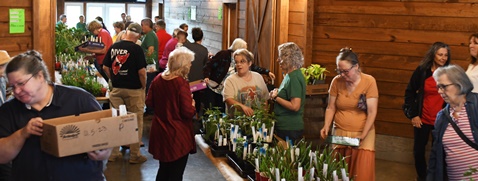

PRESCOTT – Ralph Harris was supposed to talk about irrigation to those attending the Master Gardener Plant Sale and Show Saturday.
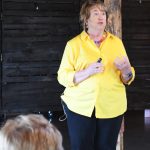
However, he changed the topic, going from irrigation, which he said was just watering, to water systems, something more efficient and effective for plants and gardens. Harris, retired from the Natural Resources Conservation Services, was one of two featured speakers Saturday, the other being Janet Carson, who worked with the Cooperative Extension Service for 38 years.
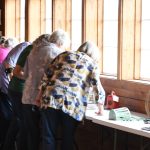
Harris had placed a small tub with different items needed for a water system on each table, encouraging the audience to check them out as he described their uses. First and foremost, he said, a water source is needed for the system, which means an exterior faucet. A timer should be hooked up to the water hose to set when the plants should be watered. Harris recommended using a splitter with the hose to make sure all areas of the garden are covered.
Running water in a line, he said, isn’t good for most things as the water doesn’t reach everything as needed. He pointed out there are a lot of minerals in the water in South Arkansas, which means the water system needs to be checked regularly to make sure it’s working properly. Those parts clogged by the minerals either need to be repaired or replaced. A black vinyl hose is best, he continued, with holes drilled where plants will be. Bubblers should be placed in the holes and either set for high or low flow, depending on what the plant needs. He also talked about using spider hoses and drip emitters to drip water onto plants.
When asked how much water plants need, he received no answer. He said most plants need about an inch of water a week, otherwise, they could be damaged from being over watered. Harris suggested using Ts and elbows to make sure hoses and water get where its needed. He also told the gardeners on hand they should leave the hoses on top of the ground instead of burying them. This, he said, is so they can make sure the system is working properly, something not possible if the hoses are buried.
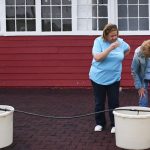
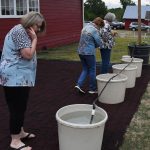
Setting up a water system isn’t hard or complicated he said, pointing out one had been set up outside the building at the Barn at Willow Oaks where the sale was held. During a break, several gardeners checked out the system to see how it was put together and how it worked. Harris also suggested using a pop-up sprinkler for round beds. These sprinklers cover 10-12 feet and several options are available on them. “Don’t buy cheap stuff,” he said, “and change the system during the year, depending on the weather.”
Carson followed, talking about plants. She opened saying lemon grass has a nice smell and can be used in water for flavoring. From there, she talked about using native plants adaptive to the state as these can be low maintenance and good for native wildlife. Most plants are non-invasive, she said, though some can take over quickly if not monitored.
Agastache, she said, comes in a variety of colors and blooms all summer as it thrives in heat, but it also needs room to grow and shouldn’t be planted close to other plants. These plants need to be watered the first year to develop their roots and gardeners shouldn’t be discouraged when they don’t bloom during their inaugural season.
Wild ginger, on the other hand, prefers the shade and makes a good ground cover. An interesting thing about wild ginger, she said, is the flower blooms on the interior of the plant.
Carson reminded the audience all native plants don’t necessarily do well in all areas as the soil and weather conditions vary across the state. The best time to plant wildflowers from seed, she said, is in October, but the area needs to be prepared well and the grass cleared from the site. When planting from seeds, she added, be wary of birds as they will dine on the seeds before they can germinate and take root.
She suggested adding annuals to the garden mix, saying Drummond Aster does well in fall gardens and Arkansas Blue Star has a yellow fall color. Again, she said to space annuals out and give them room to grow as they get larger every season. Willow Leaf Ansonia, she added, needs full sun or partial shade to thrive. Several varieties of fall blooming perineal like the shade, so it’s important to know what plants need and plan on using the different characteristics of each, she said.
Carson said most plants will grow larger than people expect, such as the hardy ageratum, which is hard to get rid of but is great for pollinators. She pointed out full sun means plants get at least six hours of sunshine, while partial sun is four hours of sunlight with morning sun being the best as its more forgiving than afternoon sun.
In talking about gauna, she said it can get five-feet across once it gets established and is drought tolerant. It is believed, Carson said by rubbing gauna leaves on the skin, it will prevent a person from getting poison ivy. She added it’s best to rub it on both before and after exposure to be sure.
When it comes to spring ephemerals, she said, gardeners need to mark where they’ve been planted. She reminded the gathering different plants bloom at different times based on weather conditions and the type of plant it is. “Group plants with like needs,” she said, “and make sure the right plant is in the right place. Talk to nurseries and take field trips to find plants.” There aren’ta lot of native plant nurseries in the state, she continued, but native plants can be bought online.