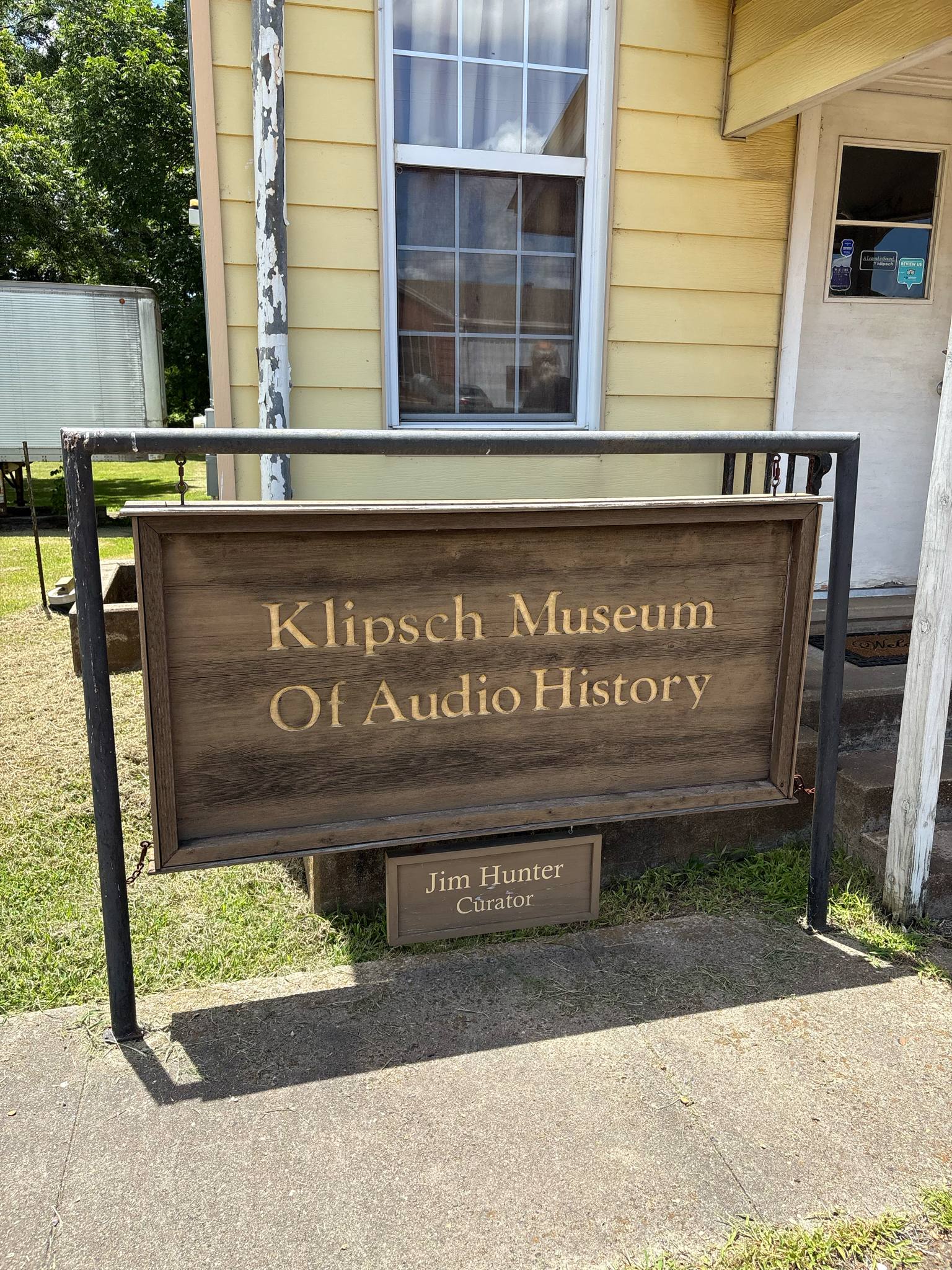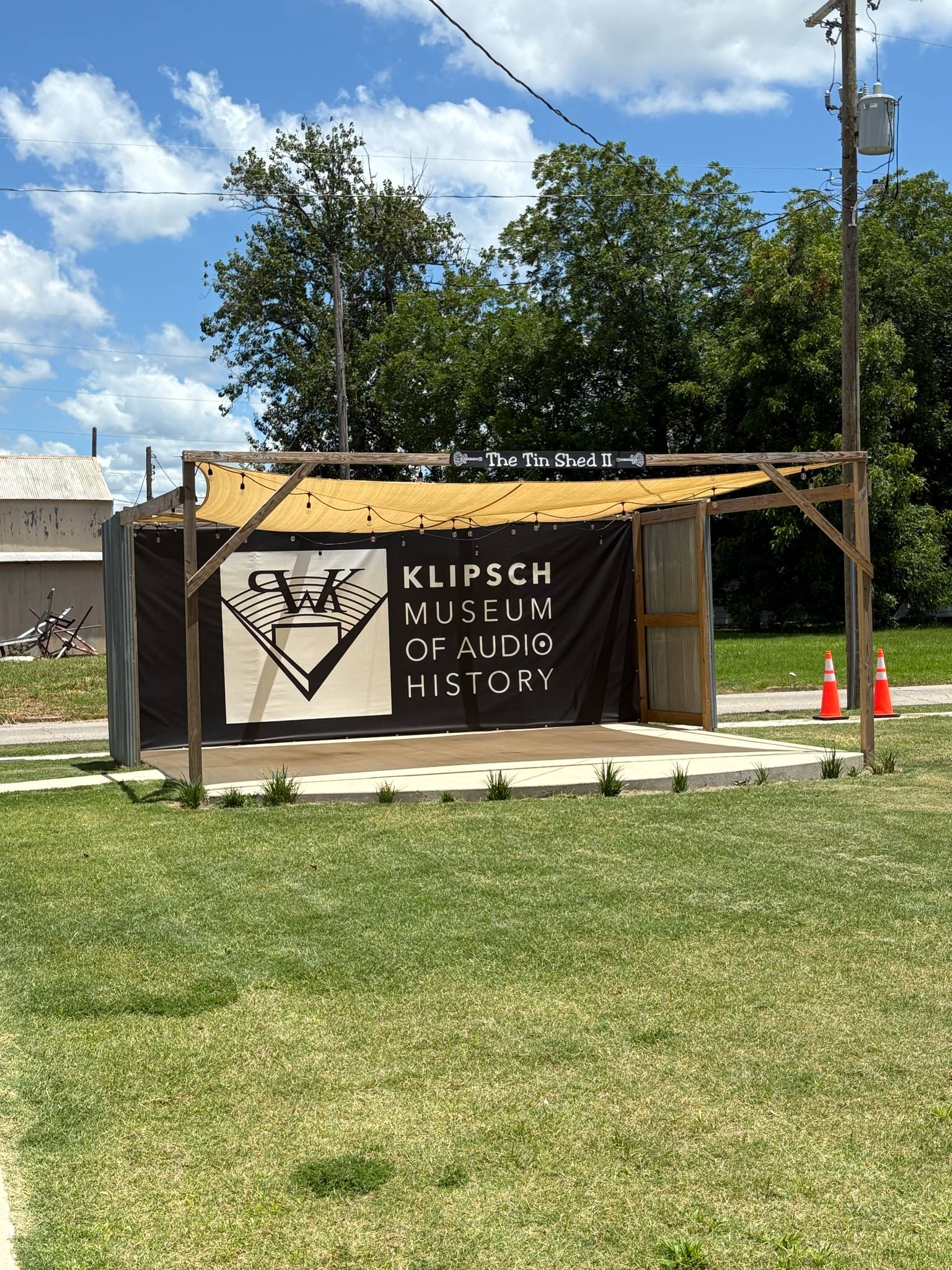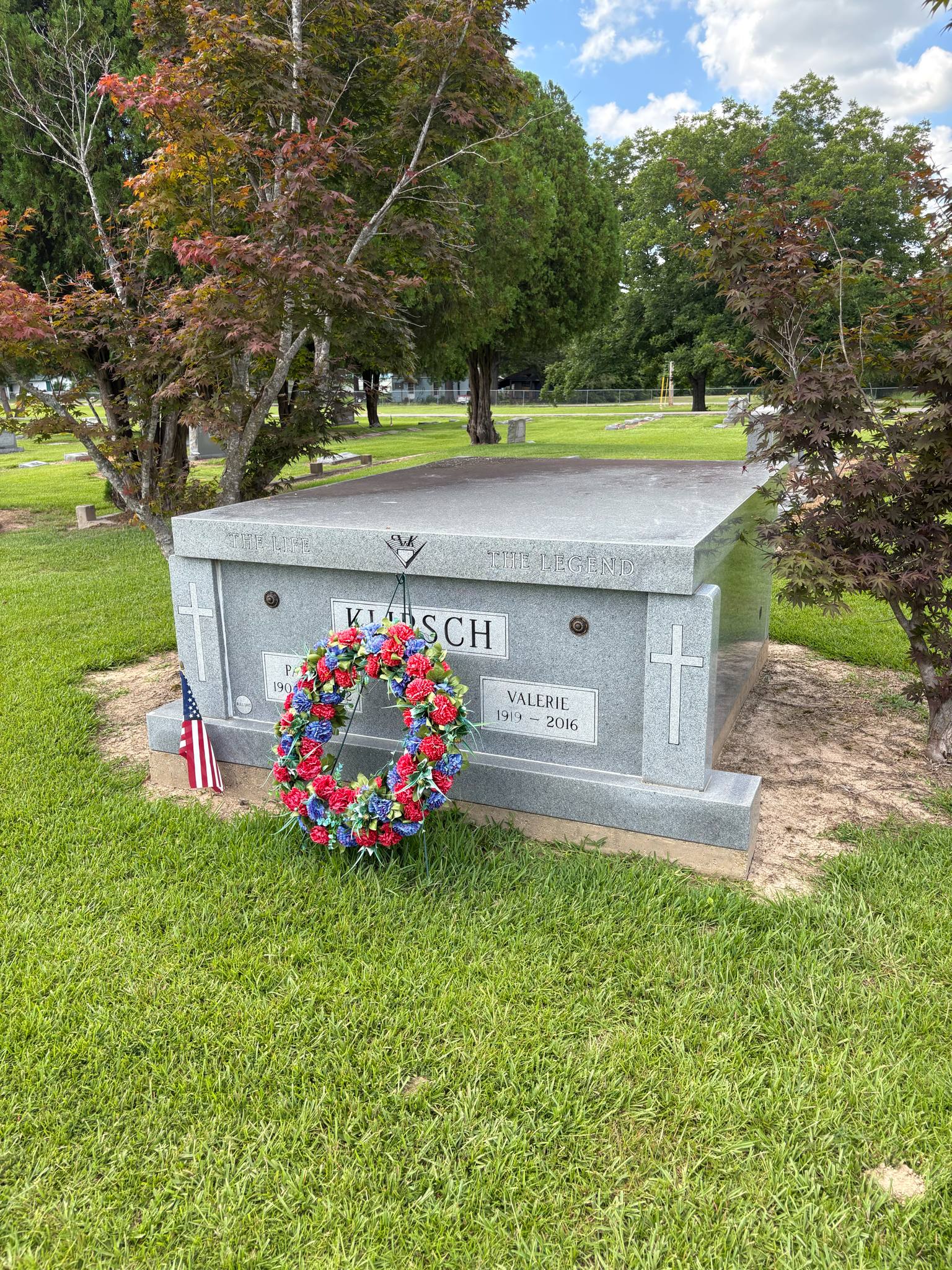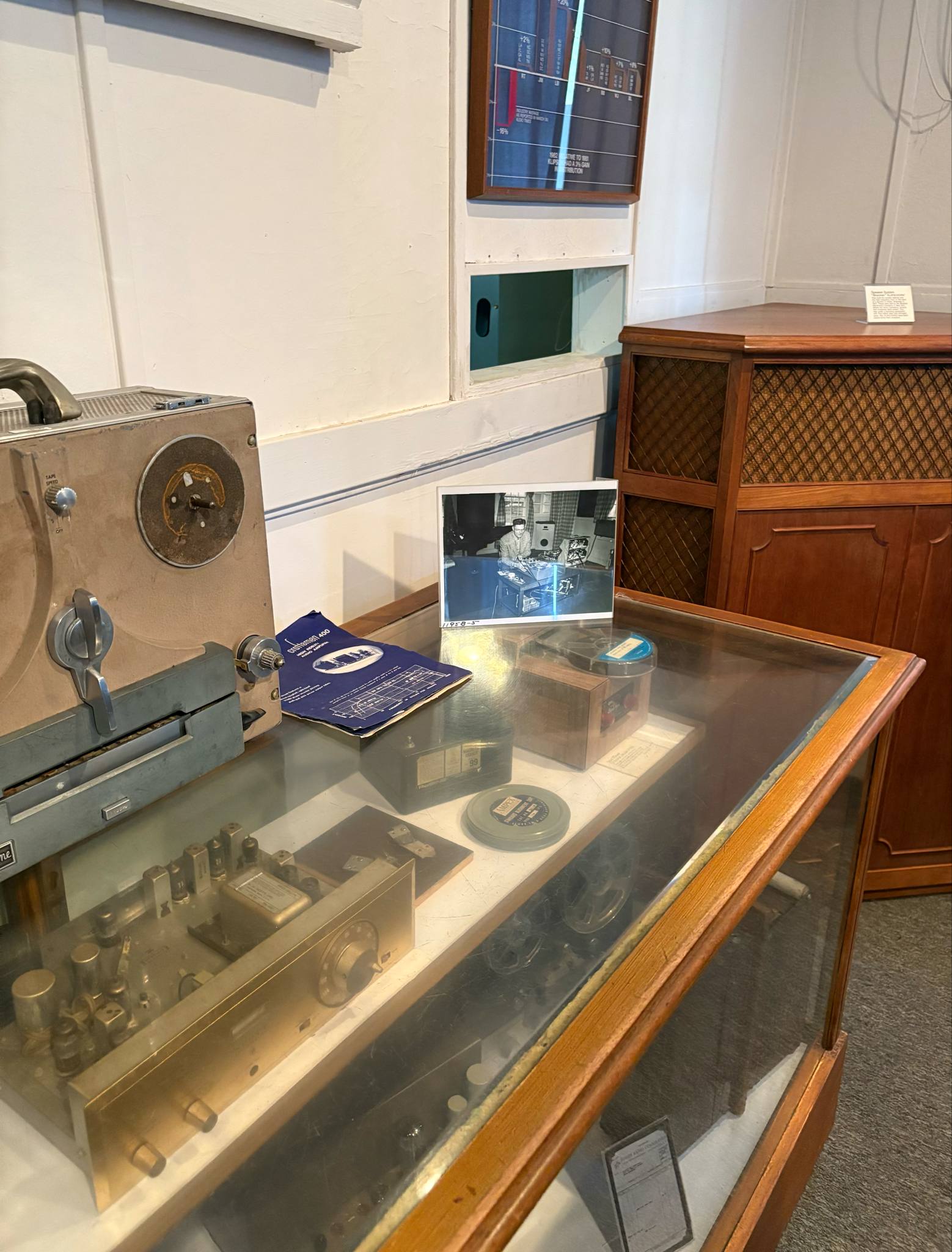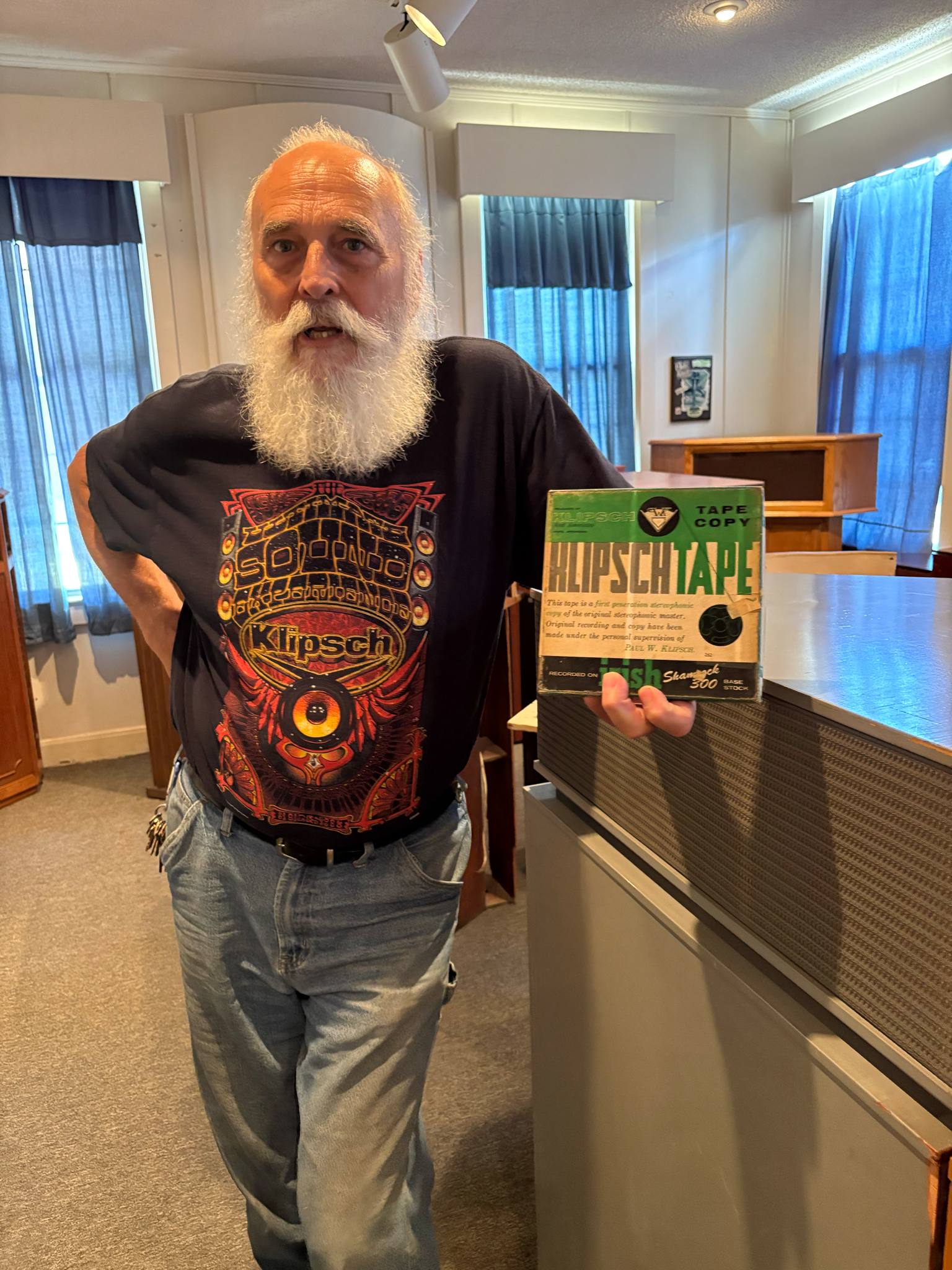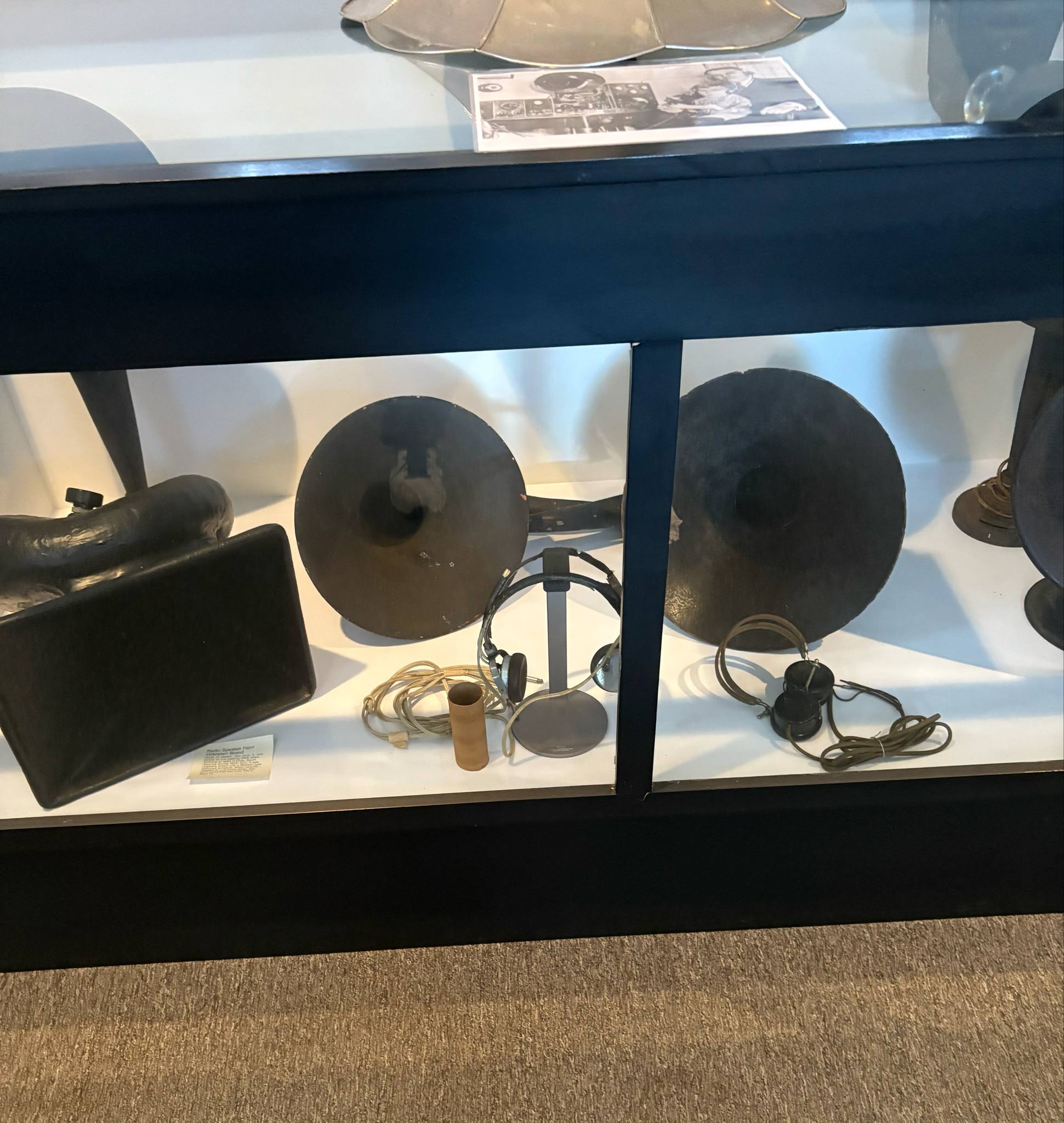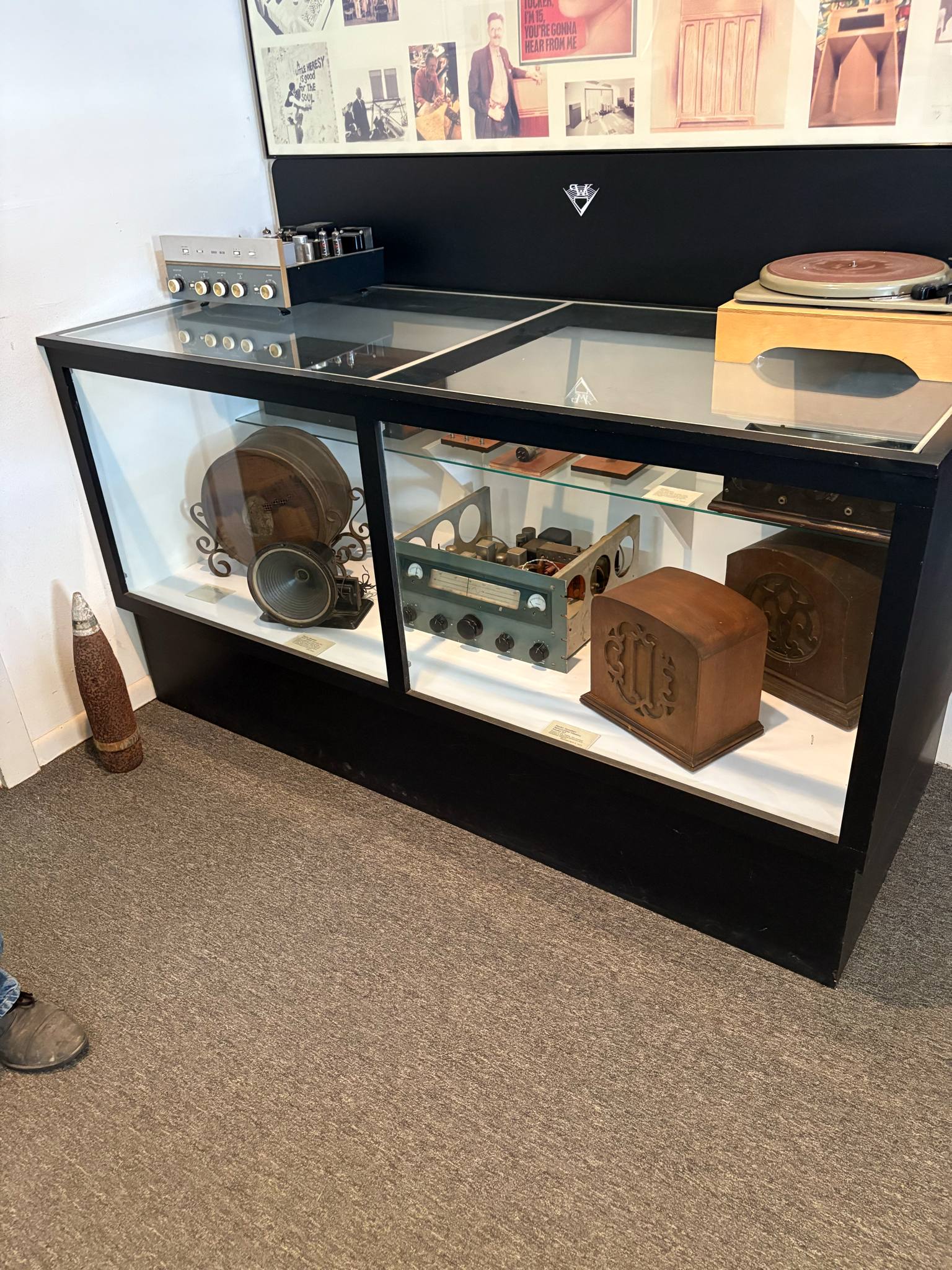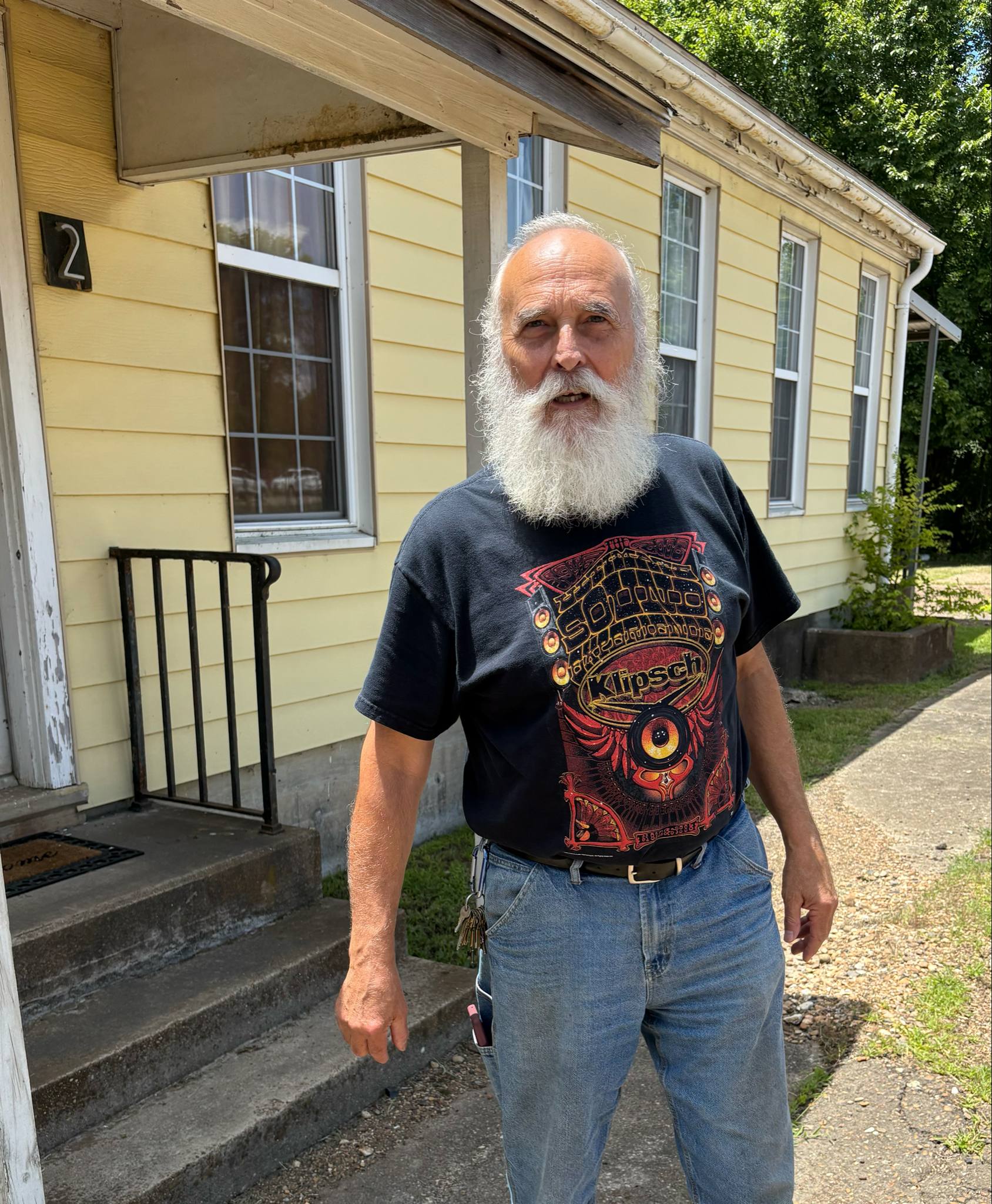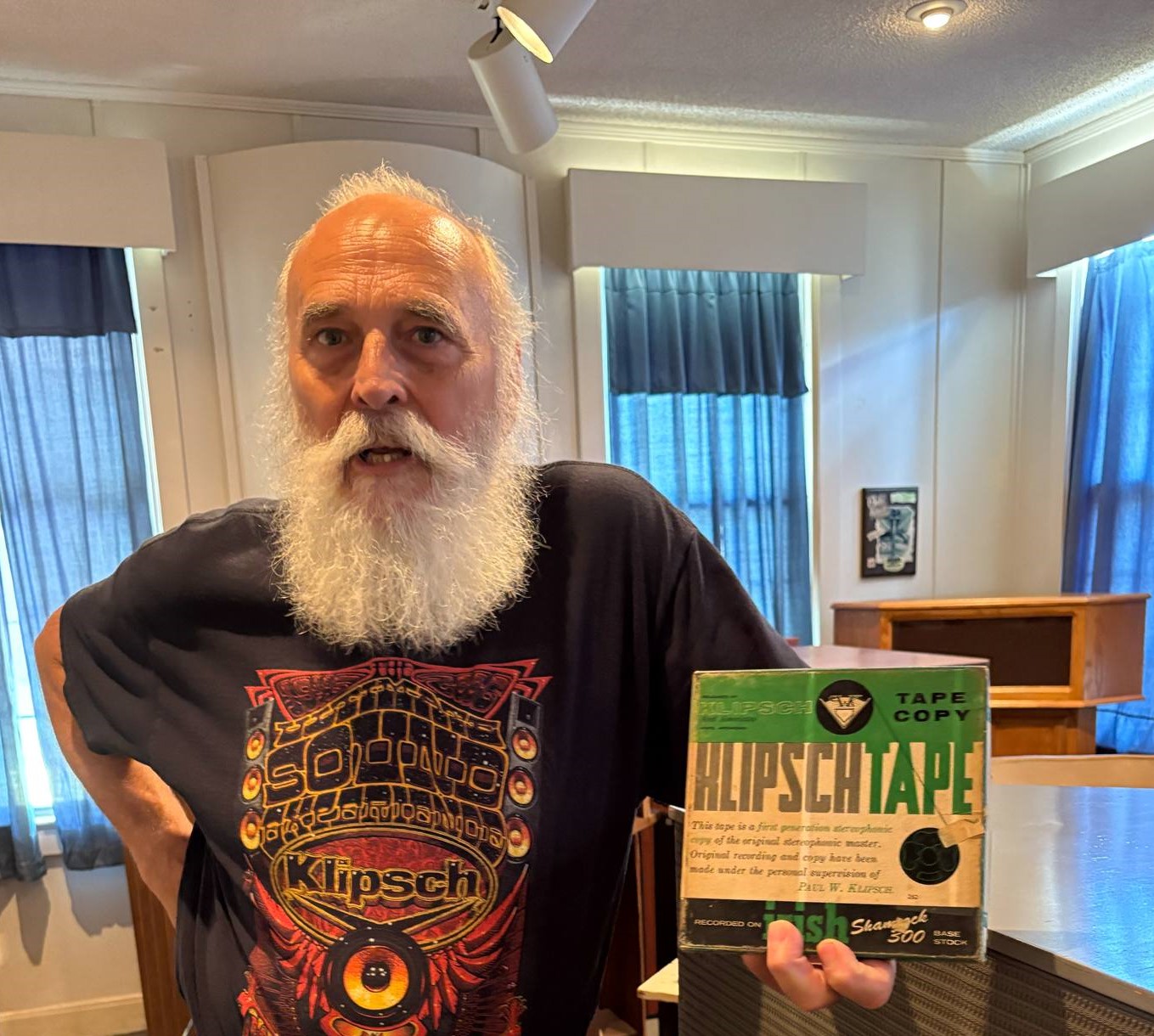

HOPE, AR — In the quiet town of Hope, Arkansas, the Klipsch Museum of Audio History buzzes with stories of sonic breakthroughs and the man behind them—Paul W. Klipsch. But it’s another man, Jim Hunter, who makes sure those stories are heard loud and clear. Born and raised in the rugged hills of West Virginia, Hunter’s Appalachian roots are deep. A 1974 graduate of West Virginia Tech, now part of West Virginia University, he carries the Mountain South’s spirit of ingenuity and grit into his role as curator of the Klipsch Museum. His voice, steady and full of reverence, guides visitors through a maze of horn-loaded speakers, vintage engineering tools, and the very first Klipschorn—a speaker that changed home audio. Hunter isn’t just a curator. He’s a living archive. Having worked directly with Paul Klipsch since the 1970s, he shares not only technical insights but also personal stories that bring the audio pioneer to life. “He was a genius with a wicked sense of humor,” Hunter recalls. “He didn’t suffer fools, or BS of any kind, but he was generous with his knowledge.” Klipsch, a 33rd-degree Mason and former oil prospector, was captivated by sound from an early age. His breakthrough came during World War II, while he was stationed at the Southwest Proving Grounds in Hope. There, he refined the Klipschorn—a speaker so powerful, Hunter says, “One Klipschorn has the acoustic output of a 100-piece symphony orchestra.” Today, Hunter’s mission is clear: preserve and share Klipsch’s legacy. Through free museum tours, storytelling, and hands-on exhibits, he connects generations to the science of sound. “Most visitors already love Klipsch speakers,” he says. “They come here to understand the man behind the sound.” Though far from his West Virginia home, Hunter’s work in Hope echoes the values of his upbringing—craftsmanship, curiosity, and community. “Paul used to make everything himself—steam engines, model trains, even phonograph cartridges,” Hunter says. “That kind of hands-on brilliance resonates with folks from the Mountain South.” As the museum continues to grow, so does Hunter’s determination. Whether laying a wreath on Klipsch’s grave or leading a tour through the archives, he makes sure the legacy of a fellow tinkerer, innovator, and friend lives on.