
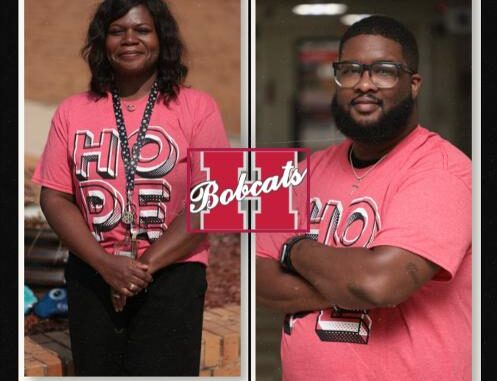

Hope Public Schools campuses take the top two spots in SWAEC achievement movement as educators point to instructional focus, collaboration and student growth
HOPE — Two Hope Public Schools campuses are leading the Southwest Arkansas Education Cooperative in academic improvement, with Beryl Henry Elementary and Yerger Middle School recording the top two gains in ATLAS Achievement Movement for grades 3 through 10.
According to data presented by the Southwest Arkansas Education Cooperative to area superintendents, achievement on the 2026 state exams showed an average improvement of 3.5% across the cooperative.
Hope Public Schools’ top-performing campuses significantly exceeded that average.
Beryl Henry Elementary recorded a 17.3% gain, ranking No. 1, while Yerger Middle School recorded a 13.7% gain, ranking No. 2.
The rankings are significant, but conversations with the principals of both campuses reveal a larger story behind the numbers: intentional changes in instruction, greater student ownership, collaboration among educators and a sustained focus on academic growth.
Beryl Henry: Building Urgency, Ownership and Belief
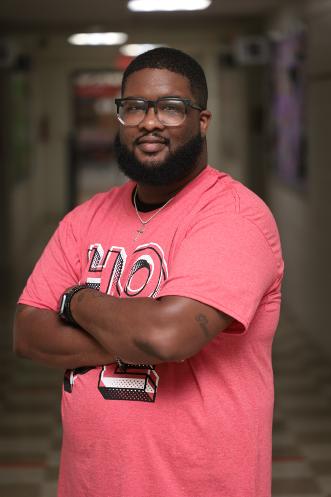
For Beryl Henry Principal Kedrick Jones, learning that his campus had recorded the highest achievement gain in the cooperative brought both excitement and validation.
“I was excited,” Jones said. “Everything I was stressing about, everything I put on the teachers, it all amounted to something. And now my teachers can see the fruit of their labor.”
For Jones, however, the accomplishment means more than being No. 1.
He said the results reinforced his belief that students in Hope can achieve when they are consistently challenged and supported.
“Our kids are Hope, Arkansas kids. They can achieve it,” Jones said. “We just got to put the work into it consistently, over and over, and stay true to our high expectations.”
One of the most significant changes at Beryl Henry came after Christmas break.
Jones said the campus entered the second half of the school year with a heightened sense of urgency. Instructional facilitators worked closely with teachers, Jones became more directly involved in instructional coaching, and educators were challenged to implement new practices while maintaining high expectations.
The shift also changed what was expected from students.
Jones said teachers intentionally created more opportunities for students to experience what educators call productive struggle. Instead of immediately stepping in when a student struggled with a question or concept, teachers allowed students more time to think, collaborate and work their way toward an answer.
The goal was to have students doing more of the thinking and taking greater ownership of the learning process.
That same philosophy influenced how Beryl Henry approached state assessments.
Rather than focusing only on whether every student would reach a particular achievement level, Jones and his team encouraged students to concentrate on improving from wherever they were academically.
“Just grow. That’s it,” Jones said. “If you a Level 1, what can you do to get to a Level 2?”
Jones and Beryl Henry counselor Christi Sullivan personally visited advisory classes to speak with students about their progress and reinforce that message.
The effort extended beyond classroom instruction.
Jones said families responded to communication about intervention, attendance and the importance of academic growth. During testing week, campus attendance reached approximately 98% each day, with students who initially missed testing returning to complete their assessments.
Inside the building, Jones described the achievement as a campus-wide effort.
Teachers took ownership of instructional changes. Support staff worked with students. Administrators stepped into classrooms when needed. He also credited custodians, cafeteria staff, instructional facilitators and others for helping create an environment where students understood that the adults around them were invested in their success.
Now, Jones wants Beryl Henry to use the success as momentum rather than a finish line.
“Success breeds consistency, and success breeds confidence,” Jones said.
Yerger: Data, Collaboration and Culture
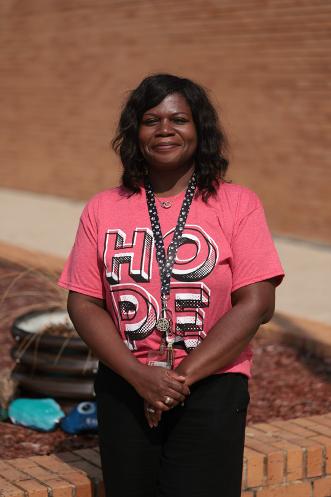
At Yerger Middle School, Principal Marilyn Marks had a similar reaction when she learned that her campus had recorded the second-highest achievement gain in the cooperative.
Her first thoughts were about the teachers and students who had put in the work throughout the year.
“I saw all the hard work that our teachers put in last year,” Marks said. “I was so excited for our kids. Our kids put in a lot of hard work. They tried. They gave their best effort.”
For Marks, the achievement provides an opportunity for the community to see what is happening inside Yerger beyond a single set of numbers.
“It’s more than just numbers,” Marks said. “It’s about the people. It’s about the kids, and it’s all about our kids growing from one step to the next.”
One of Yerger’s primary strategies was an intentional focus on academic data throughout the school year.
Teachers and instructional leaders closely examined state standards, evaluated what students needed to demonstrate mastery and reviewed assessments throughout the year. The campus also used ATLAS tools and interim assessment results to determine which students were progressing and which students needed additional support.
“We looked at data all year long and made sure that we were making data-informed decisions,” Marks said.
That approach allowed educators to make instructional adjustments and provide additional remediation before students reached end-of-year testing.
Marks also pointed to collaboration as a major factor in Yerger’s improvement.
Teachers worked collaboratively, instructional facilitators supported the process, and academic success became the responsibility of the entire campus rather than only teachers in tested subject areas.
Elective teachers supported literacy and mathematics instruction, while paraprofessionals, instructional staff and support personnel contributed to the overall effort.
“This victory is a victory for every teacher in our building and every staff member,” Marks said. “Everybody pours into our kids every day.”
Yerger also worked to give students greater ownership of their academic progress.
During student-led conferences held in the fall and spring, students shared their academic progress directly with their parents. The conferences gave students an opportunity to explain where they were performing academically and what they needed to do to continue moving forward.
Marks said hearing that information directly from their children helped create a more engaging experience for families and strengthened the connection between home and school.
The campus also celebrated students for academic growth throughout the year, including recognizing progress demonstrated on interim assessments.
While those celebrations helped encourage students, Marks said the foundation of the success remained the daily work happening throughout the building.
Two Campuses, Common Lessons
Beryl Henry and Yerger did not follow identical paths to their results, but both campuses shared several important approaches.
Both focused on moving students forward from their individual academic starting points.
Both used data throughout the year rather than waiting until state testing was complete.
Both emphasized collaboration among educators.
Both worked to increase student ownership of learning.
And both principals described academic improvement as the result of an entire school community working toward the same goal.
At Yerger, Marks said that work will continue through deeper analysis of student data, additional academic supports, student recognition and an ongoing focus on school culture and relationships.
“If you have a relationship with students, then they will learn from you even better,” Marks said.
At Beryl Henry, Jones said the campus now has evidence that its approach can produce results, but he does not want the success to create complacency.
His message to the students and staff responsible for the achievement was one of celebration followed quickly by a challenge.
“Congratulations. Y’all did it,” Jones said. “You made me a proud principal. I know you made the community proud. You made all of us proud.”
Then came the next goal.
“Let’s get to work,” Jones said. “Let’s take our foot off the brake. Let’s get on the gas. Let’s go even higher this year.”
For Beryl Henry and Yerger, earning the No. 1 and No. 2 positions in the Southwest Arkansas Education Cooperative’s ATLAS Achievement Movement comparison is an accomplishment worth celebrating.
For Hope Public Schools, the results represent something larger.
They provide measurable evidence of students moving forward, educators refining their practices and school communities working together to create academic progress.
The rankings are the result. Growth is the story.